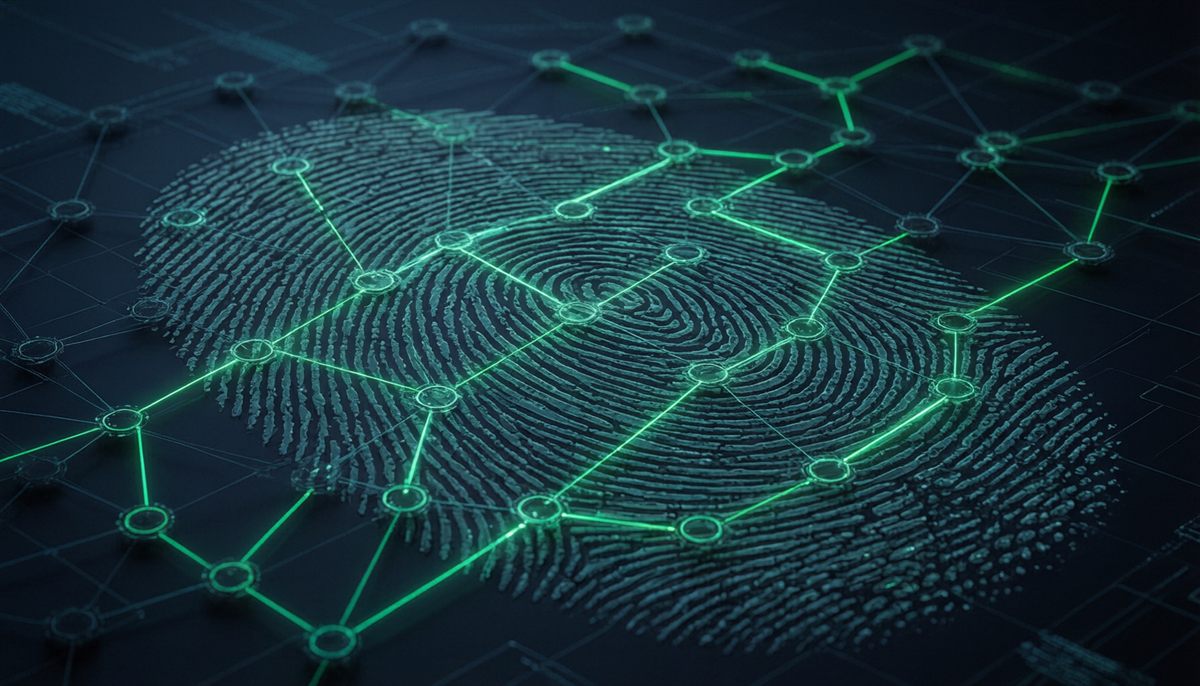
A blockchain record may show you where a transfer went. However, it is evidence — not a way to reverse the payment.
Keep transaction identifiers
First, save the transaction hash, blockchain network, sending and receiving addresses, amount, and date. A token name alone is not enough to find a transfer.
Understand the limits
Keep in mind that public transactions do not always show who controls an address. Exchanges, bridges, and mixers can make analysis harder. So conclusions should separate verified facts from assumptions.
Do not share wallet secrets
Important: A legitimate initial review does not need your recovery phrase, private key, or wallet password. Also, do not connect your wallet to an unfamiliar recovery website.
Use official reporting channels
Finally, if an exchange is involved, contact its fraud team through the official website. Provide a clear evidence package and follow the relevant law-enforcement process.
General educational information, not legal or financial advice. Available remedies vary; no recovery is guaranteed.
What to bring to the first consultation
You do not need to organise any of this before it is useful to you. You only need it to exist. Gather what you can and leave the gaps marked as gaps rather than reconstructing them from memory later.
- Amounts and dates of every transfer, including the ones you believed were successful
- Transaction hashes for every movement you can find
- The sending and receiving wallet addresses
- Exchange deposit addresses and any account IDs the exchange gave you
- Screenshots of the platform balance you were shown
- Every message, email and chat transcript. Do not delete anything, even months later.
- Names, phone numbers, email addresses and any documents the other party sent you.
- The web address of the platform exactly as it appeared, and a screenshot of it if it has since changed.
- Your bank or card statements covering the period of each payment
If a record is missing, say so at the outset. A partial timeline still supports an assessment; a reconstructed one often does not.
What we cannot do
A tracing result describes where money moved. It does not, on its own, move it back.
We cannot guarantee a recovery. We cannot access a wallet that only its holder can unlock, contact a platform that has already gone offline, or overturn a bank's decision to release a payment. Anyone who promises otherwise before looking at your records is the problem you are reporting, not the solution to it.
What we can do is tell you in writing which of those limits applies to your situation, and what remains open.