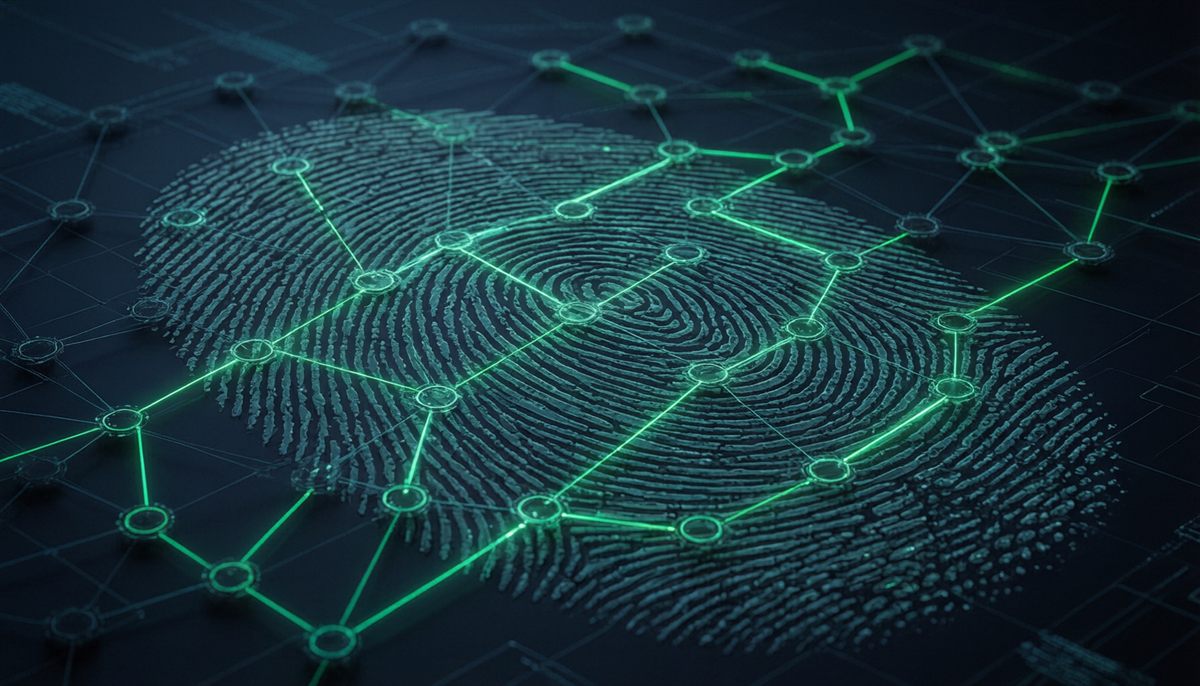
Public-ledger analysis can help describe asset movements. It is important to distinguish an observable transaction from a conclusion about a person or recoverable funds.
What public records show
Depending on the network, records may show addresses, transaction times, amounts, and interactions with contracts. The network and exact transaction identifier matter. A token label or screenshot alone may not establish the relevant transfer.
Where interpretation begins
Address labels and clustering can involve assumptions or third-party information. Bridges, exchanges, and privacy tools can complicate tracing. A responsible analysis describes its sources, uncertainty, and alternative explanations.
Why tracing does not reverse a payment
A report cannot compel an exchange, freeze an account, or undo a confirmed transfer by itself. Institutional cooperation and legal processes may be needed, and neither the availability nor success of those processes is guaranteed.
What to ask about a report
Ask for the underlying identifiers, an understandable chronology, and a distinction between observed facts and inferred connections. No report should require your seed phrase, private key, or unrestricted access to a banking or exchange account.
General educational information, not legal or financial advice. Available remedies vary; no recovery is guaranteed.
Discuss your case